Friday, July 24, 2009

Tuesday, July 7, 2009
case study
KALIMANTAN: CASE STUDY
(car-lee-mun-tarn)

•Occupies 2/3 land in Borneo
•Mainly,Kalimantan West, East, Central and South
Did you know?
Kalimantan is..
•780times Singapore
• tropical climate
•average daily minimum temperature of 23 degrees C,
maximum daily temperature of 31 degrees C.
•high annual rainfall of 2000mm min.
Vegetation
•Sparse undergrowth- due to thick canopy (little sunlight below)
•Decomposing fungi on logs
•Dense and abundant vegetation on the whole
•Broad, large, waxy, drip tipped leaves
•Many produced fruits- max. pollination rate
•1/3 tree tops have branches
•buttress roots to support great weights
Importance
•habitats for living organisms
•give out majority oxygen by photosynthesis
•decent quality of wood for furniture
•food source (fruits)
•Medicines- >1/4 medicines come from rainforests
Causes of deforestation


•forest cleared by burning produces ash which fertilises soil for agriculture
•increasing demand for land for settlement
•industrial logging
•industrial mining
•hydro-electrical powering
•Shifting cultivation (agriculture)
•better transport network
•natural forest fire
<u>Effect/Causes/Result
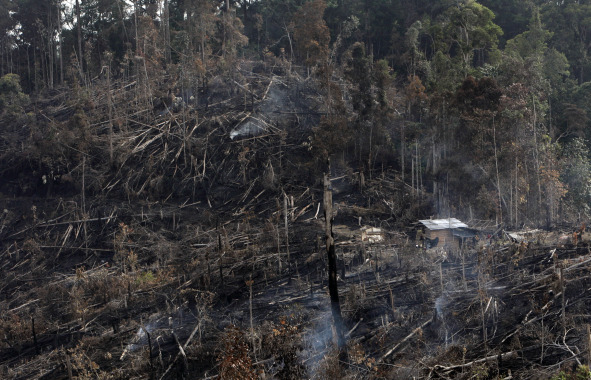 •loss in biomass- loss of energy (food chain broken)
•Soil lose fertility (when rain absorbed)- not suitable for cultivation
•prolonged dry seasons- lesser transpiration takes place due to absence of vegetation
•poor quality of water - sediments from upper course contaminate river, increase pH
•air pollution caused by burning - haze
•health problems - tubercolosis, eye irritation, breathing problems (CO)
Measures

•Banning of logging to unauthorised personnel
•monitor of activities of timber companies
•regulating different recreational activities occuring in forests
•implemented policies
•careful use of resources to minimise wastage
•community involvement- afforestation
•talks/campaigns/advertisements to educate people
Success
•people are now more aware
•people become environmentally friendly
•logging has been controlled
•less deforestation
•more recovery of destroyed forests
Wednesday, July 1, 2009
 Mangroves are :
tropical (2000mm or more rainfall, 25-30dc, not seasonal)
woody-usually forested
specialised species of trees-live on edge where rainforest meets water
Found on: sheltered coastlines, river deltas
one of the few plants that grow in these areas
woody-usually forested
specialised species of trees-live on edge where rainforest meets water
Found on: sheltered coastlines, river deltas
one of the few plants that grow in these areas
Where can mangroves be found?
 27 % of mangroves are found in South East Asia alone
COASTAL ZONE
 Avicennia
• Adapted to grow in salt water
• Have aerial roots (point upwards) - help them 'breathe'
• Aerial roots help survive high tides and flood
• Secretes salt onto surface of leaf - removed by wind/rain

Sonneratia(apple trees)
• Tastes like CHEESE!
• Adapted to grow in salt water
• Have aerial roots (point upward) - help them 'breathe'
• Aerial roots help survive high tides and flood
• Ultrafiltrator - absorbs saltwater/ignores salt
• Remove excess salt by storing in old leaves(fall off)
Middle Zone
 Rhizophora
• Prop/stilt roots - anchor trees in soil firmly
• Ultrafiltrator
• Remove excess salt by storing in old leaves
Inland Zone
 Bruguiera
• Kneed roots - provide firm support on soil
(trees extremely heavy)
• Ultrafiltator
• Remove excess salt by storing in old leaves
Mangroves
• salt tolerant plants - Halophytes
• densed
• abundant vegetation
• high temperature & rainfall
•undergrowth sparse - canopy block SunL(most)
Provide:
• food - leaves
• firewood - branches(tinder)
• charcoal (carbon produced after heating wood)
• construction materials (wood)
•support unstable soil (roots hold firmly)
•shelter/home for animals
•oxygen
•beauty
Adaptation
Leaves
•broad with drip tips - allow water to flow off quickly
(prevent bacteria from breeding - high temp.+water=growth of bacteria)
•Thick/Feathery leaves - reduce water loss(transpiration)
Roots
• Aerial root - tiny pores on it (lenticels) to absorb air
• All roots - support tree in soft muddy soil
Fruits
•Buoyant(floater) to travel on seawater
to other suitable places for growth
•Rhizophora/Bruguiera - germinate while still attached
(fall onto ground and penetrate soil,rooting)
BENEFITS
• Home & food to wild creatures eg.Fish/Shellfish
Animals(Shellfish/Spongefish) filter-feeders -> clean the water
->ocean flourish
• Prevent rockslide/soil erosion/floods - roots hold soil firmly
•oxygen for living
•maintain biomass & biodiversity
DISADVANTAGES
•Young Mangroves - fragile(destroyed easily)
• salt tolerant plants - Halophytes
• densed
• abundant vegetation
• high temperature & rainfall
•undergrowth sparse - canopy block SunL(most)
Provide:
• food - leaves
• firewood - branches(tinder)
• charcoal (carbon produced after heating wood)
• construction materials (wood)
•support unstable soil (roots hold firmly)
•shelter/home for animals
•oxygen
•beauty
Adaptation
Leaves
•broad with drip tips - allow water to flow off quickly
(prevent bacteria from breeding - high temp.+water=growth of bacteria)
•Thick/Feathery leaves - reduce water loss(transpiration)
Roots
• Aerial root - tiny pores on it (lenticels) to absorb air
• All roots - support tree in soft muddy soil
Fruits
•Buoyant(floater) to travel on seawater
to other suitable places for growth
•Rhizophora/Bruguiera - germinate while still attached
(fall onto ground and penetrate soil,rooting)
BENEFITS
• Home & food to wild creatures eg.Fish/Shellfish
Animals(Shellfish/Spongefish) filter-feeders -> clean the water
->ocean flourish
• Prevent rockslide/soil erosion/floods - roots hold soil firmly
•oxygen for living
•maintain biomass & biodiversity
DISADVANTAGES
•Young Mangroves - fragile(destroyed easily)
Subscribe to:
Comments (Atom)